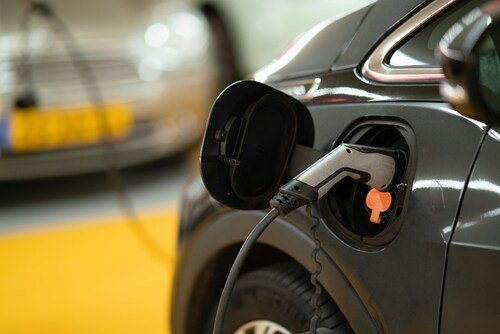
Introduction to EV Charging
Electric vehicle (EV) charging is a critical process for owners of electric cars, enabling them to recharge their vehicle’s batteries in order to sustain daily driving needs. As the automotive industry shifts towards greener alternatives and governments impose stricter emissions regulations, the popularity of electric vehicles has surged in recent years. This rise in adoption is accompanied by an increased demand for accessible and reliable charging infrastructure.
Understanding EV charging is essential for both prospective and current electric vehicle owners. The technology allows for refueling in a manner distinct from traditional gasoline vehicles, requiring a deeper knowledge of available options. Charging infrastructure can be found in various forms, from residential setups to public stations located in commercial areas. This variability poses a unique challenge and offers multiple solutions for EV drivers.
Location plays a significant role in the charging experience. Charging at home usually offers convenience, as it allows owners to recharge their electric vehicles overnight, ensuring a full battery for everyday use. On the other hand, public charging stations serve as crucial support for longer trips and urban settings where home charging might not be feasible. Understanding the differences between home charging and public stations can significantly influence an EV owner’s decision-making process.
As the landscape for electric vehicles continues to evolve, a well-developed charging ecosystem is imperative. This enhancement not only makes electric vehicle ownership more attractive but also underscores the importance of collaboration between manufacturers, local governments, and private entities in establishing a robust network of charging solutions. In the following sections, we will delve deeper into the advantages and disadvantages of home charging versus public stations, providing insights to assist you in making informed decisions for your electric vehicle charging needs.
Benefits of Home EV Charging
Home electric vehicle (EV) charging offers a range of advantages that make it an appealing option for many electric vehicle owners. One of the primary benefits of home charging is convenience. By having a personal charging station installed, EV owners can charge their vehicles without the need to visit public charging stations. This not only saves time but also allows for flexibility in charging schedules, as drivers can plug in their cars after returning home from work or while they are resting during the day.
Cost-effectiveness is another compelling reason to consider home EV charging. Charging at home typically costs less than using public charging stations, especially during off-peak hours when electricity rates may be lower. Moreover, utilizing renewable energy sources such as solar panels for home charging can significantly reduce electricity costs over time, further enhancing its cost-benefit ratio. Additionally, many utility companies offer incentives or rebates for installing home charging stations, making it a financially viable option.
An essential aspect of home EV charging is the ability to perform overnight charging. This method allows vehicles to regain a full charge while parked for the night, ensuring that drivers start their day with a fully charged battery. This is particularly advantageous for daily drivers, as it eliminates the stress of searching for a public charging station during the day or worrying about running low on battery power. Furthermore, having a dedicated charging location at home provides peace of mind, knowing that the vehicle is always ready for use without the complications often associated with public charging infrastructure.
In summary, home EV charging offers a convenient, cost-effective, and flexible solution for electric vehicle owners. The potential for overnight charging combined with the installation of personal charging stations makes it a practical choice for users who prioritize ease of access and control over their charging habits.
Advantages of Public Charging Stations
Public charging stations offer various advantages that can significantly enhance the electric vehicle (EV) ownership experience. One of the most notable benefits is the accessibility and availability of charging facilities in diverse locations. Public charging stations can be found at workplaces, shopping centers, and along major highways, providing convenient options for drivers to recharge their EVs. This widespread network ensures that users have reliable access to charging, especially when they are away from home.
Another significant advantage of public charging stations is the presence of fast chargers. Fast charging technology has advanced rapidly, allowing drivers to recharge their vehicles much quicker than in a home setting. These fast chargers are particularly beneficial for long-distance travel, making it more feasible for EV owners to embark on road trips without concerning themselves with extended charging times. With strategic placement in high-traffic areas, fast chargers enable EV drivers to conveniently stop and recharge during their journeys, considerably reducing downtime.
Moreover, public charging stations play an essential role for those who live in apartments or homes without access to a dedicated home charging solution. Many urban dwelling residents may not have the opportunity to install a home charger, making public stations a vital resource for these drivers. The ability to charge at various public locations enables broader adoption of electric vehicles and ensures that all EV users have access to charging, regardless of their living situation.
In summary, public charging stations present numerous benefits, including extensive availability, the convenience of fast charging, and accessibility for those lacking home charging options, all contributing to a more sustainable future for electric vehicle mobility.
Making the Right Choice: Home or Public Charging?
When it comes to selecting between home and public charging for electric vehicles (EVs), several crucial factors must be considered to determine the best fit for your needs. Analyzing your driving habits is paramount. For individuals who use their vehicles primarily for short commutes and have predictable daily driving patterns, home charging often provides a convenient solution. With an installed home charging station, users can plug in their vehicles overnight, ensuring they start each day with a full battery, facilitating hassle-free travel without frequent stops for charging.
However, the feasibility of installing a home charging station may vary. Homeowners with dedicated parking spaces, access to electrical upgrades, and favorable local regulations may find it easier to adopt home charging solutions. Conversely, renters or those living in apartments may face limitations on their ability to install necessary infrastructure. It is vital for these individuals to explore options for public charging stations strategically located in their vicinity, considering factors such as proximity and accessibility.
Cost implications are also an essential consideration. While home charging can lead to significant savings over time—especially in relation to home energy rates—initial installation costs can be a deterrent. Federal tax incentives or local rebates may alleviate some expenses, but this financial aspect requires thorough examination. On the other hand, public charging may offer a pay-per-use service that can sometimes be more expensive than home energy rates, depending on regional pricing schemes.
Lastly, the availability of public charging infrastructure varies widely; urban areas often boast a comprehensive network of chargers, while rural regions may present challenges due to fewer charging stations. Therefore, understanding your local charging landscape and evaluating all the aforementioned factors will empower you to make an informed decision that aligns with your lifestyle and driving habits.