Understanding Luxury Brand Signatures
Understanding the authenticity of luxury brand items is crucial for discerning consumers. One of the first aspects to examine is the brand signature, which often includes logos, stitching patterns, labels, and packaging. These elements can reveal much about the item’s authenticity and origin.
The logo of a luxury brand is typically the most recognizable feature. Authentic logos are crafted with precision, displaying consistent font styles and sizes unique to each brand. Counterfeit versions often have slight variances in font or irregular spacing, which can be telling signs of a fake. Observing the placement of the logo on the product is equally important, as it is usually located in specific areas as dictated by the brand’s design ethos.
Another key aspect is the stitching. Luxury brands are known for their meticulous craftsmanship; thus, the stitching should be even, tight, and clean without loose threads. A high-quality item will display perfectly aligned seams that are symmetrical, while counterfeit items often display uneven or imperfect stitching. Additionally, take note of the color of the thread used, which should match the material of the product, as brand authenticity is also reflected in the details of color coordination.
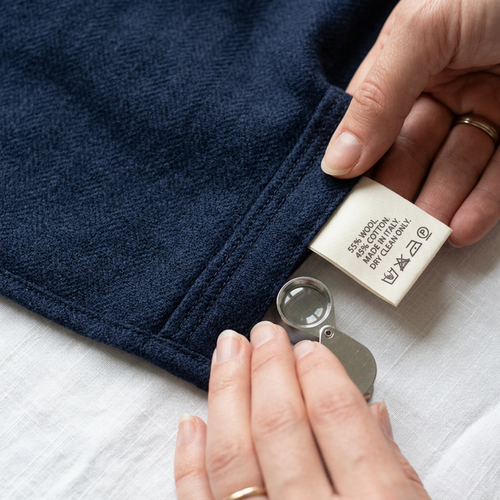
Labels are another crucial component; they often provide information about the manufacturer and care instructions in a language that’s typical for the brand’s market. Authentic items typically have labels that are made of high-quality materials, often featuring luxury brand name tags that are very well-constructed. Counterfeits may have cheap-looking labels with simple information that lacks the sophistication of an authentic product.
Finally, packaging plays an essential role in conveying brand authenticity. Luxury brands invest significant resources in their packaging, often employing high-quality materials and thoughtful design. Counterfeit items often feature flimsy packaging or generic designs that lack the expected branding experience. By attentively assessing these features, consumers can effectively distinguish authentic luxury goods from imitations, ensuring they invest in genuine fashion and accessories.
Examining Quality and Craftsmanship
Authentic designer products are often celebrated for their superior quality and exceptional craftsmanship, setting them apart from counterfeit items. To effectively distinguish genuine products from fakes, it is crucial to focus on various aspects of quality materials and fine detailing. One of the first indicators to assess is the weight of the item. Genuine designer products typically use high-quality materials that confer a substantial heft, whereas counterfeit items often feel lighter due to inferior materials or construction methods.
The texture of the material also provides significant clues; genuine leather, for example, has a distinct, rich feel that synthetic imitations cannot replicate. When examining fabric or leather, look for inconsistencies in texture or color, which are common in counterfeit goods. Take note of how the material changes under different lighting conditions, as this can reveal defects not immediately visible under normal circumstances.
Additionally, the finish of the item plays a crucial role in assessing authenticity. Authentic products are usually meticulously detailed, with smooth edges, even stitching, and no stray threads. In contrast, poor craftsmanship may reveal uneven stitching, misaligned patterns, or rough edges, all of which suggest a lack of attention to detail. Examine zippers, buttons, and other hardware closely; reputable designers often use high-quality fasteners that operate smoothly and bear their brand name, whereas counterfeit hardware generally displays inferior workmanship.
Familiarizing oneself with these characteristics will enhance one’s ability to identify authentic designer goods effectively. By honing in on quality and craftsmanship indicators, consumers can make informed purchasing decisions and avoid the pitfalls of counterfeit fashion, ensuring they invest in genuine pieces that encapsulate the luxury and prestige associated with true designer brands.
The Role of Pricing and Where to Buy
When it comes to identifying counterfeit designer products, pricing plays a critical role. Authentic luxury items are typically associated with premium price points. If you come across a designer item that is being offered at a price significantly lower than its standard retail rate, this should raise immediate red flags. Counterfeit items often flood the market at artificially low prices in an attempt to attract unsuspecting consumers looking for a deal. It is crucial to understand that genuine designer brands maintain their pricing due to the quality of materials, craftsmanship, and brand reputation.
In addition to scrutinizing prices, where you purchase these items is equally important. Reputable retailers usually have strict guidelines for the brands they carry, ensuring that their products are authentic. Purchasing designer items from authorized boutiques, official brand websites, or established department stores can significantly reduce the risk of acquiring a counterfeit product. While online shopping offers convenience, it is essential to approach this option with caution. Always verify the reputation of the online seller through reviews and their website’s authenticity.
Furthermore, be wary of sites that offer excessively steep discounts or promotions that seem too good to be true. Often, scammers will create websites that mimic authentic retailers but sell knock-off products at a fraction of the actual price. Indicators such as poor-quality photos, vague product descriptions, and lack of sufficient contact information should signal caution. By understanding the significant correlation between pricing, reputable sources, and effective purchasing strategies, consumers can better equip themselves against the proliferation of fake designer products in the marketplace.
Using Technology to Authenticate Designer Items
In an age where counterfeit goods are increasingly sophisticated, leveraging technology can be an effective way to authenticate designer products. Various advancements provide consumers with the tools necessary to identify genuine items, ensuring that their purchases represent true quality and craftsmanship.
Smartphone applications have emerged as a popular method for verifying the authenticity of designer goods. Many brands have developed mobile apps that allow users to scan barcodes or QR codes found on products. These features lead consumers to the brand’s official website or provide product information, confirming whether an item is authentic or not. Furthermore, visual recognition technology has also become a significant player in this realm. Some apps can analyze product images and cross-reference them with a database that contains known authentic items, providing users with instant feedback on the origin of their purchase.
Another traditional yet effective method for authentication are serial numbers. Most reputable designer brands assign unique serial numbers to their products, which can often be found on tags, labels, or packaging. By checking these serial numbers on the brand’s official website or by contacting customer service, consumers can validate whether their item is genuine. This step is vital as counterfeit products may replicate the design but typically fail to replicate the correct serial number sequence.
In addition to applications and serial numbers, RFID (Radio Frequency Identification) technology is becoming increasingly integrated into the fashion industry. These small chips, embedded in products or their packaging, can be scanned to reveal detailed product information, including its origin and manufacturing details. RFID has gained popularity among brands seeking to combat counterfeiting, as it provides a more secure method for verifying authenticity beyond visible tags.
Ultimately, the integration of technology into the authentication process empowers consumers. By utilizing these tools, individuals can ensure that their designer purchases are indeed genuine, maintaining both the integrity of their investment and the prestige associated with owning authentic designer items.